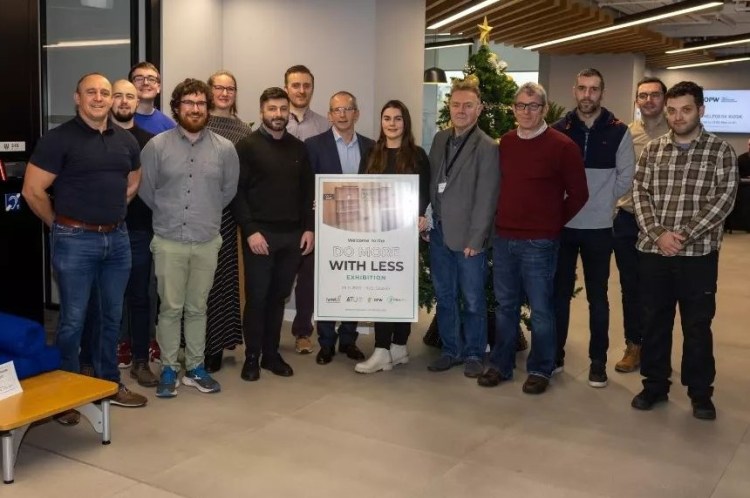
In 2022 I had the pleasure of working with Farrell Furniture, Office of Public Works and Atlantic Technological University on circular furniture project.
The project was funded by Circuleire and explored the circular potential of two streams of end-of-use furniture, the Crannac chair and the Partners workstation.
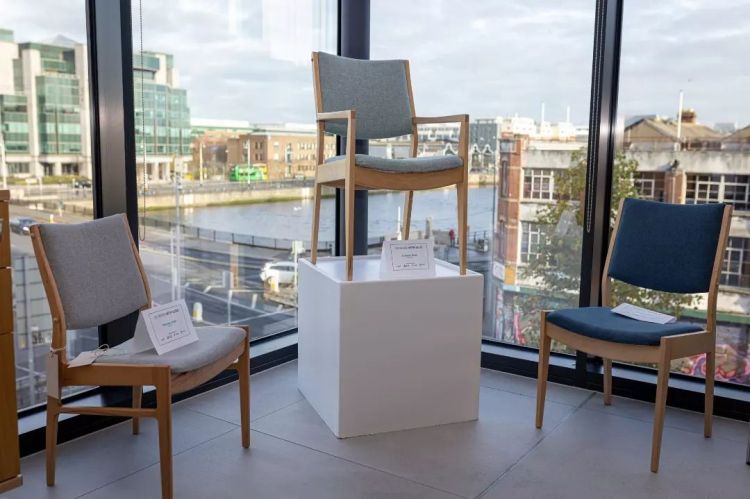
The Crannac chair were produced in Co. Meath from 1961 to 2003, and during that time became a staple of public offices throughout the country. Damaged Crannac chairs are currently refurbished by the OPW, but without original drawings and documentation, the OPW’s restoration department was limited in the scope of repairs they can undertake.
The Partners workstation were developed in response to a government tender for office furniture in the early 2000s. Since then, approximately 10,000 of these workstations have been installed in government offices around the country. Although still in working order, the large L-shape of the Partners workstation – designed to accommodate CRT display monitors – has become outdated and is being replaced with smaller bench-style workstations, leading to their disposal.
Elaine was a key team member of both the proposal and running of the DML circular economy furniture project. She not only brought in-depth knowledge of the current policy landscape, but a pragmatic and practical approach towards its implementation. We would thoroughly recommend Elaine and the Circular Design Institute for anyone embarking on their circular transition or deep in the weeds of a complex project.
Carl McAteer, Project Lead of Doing More with Less
Pilot Scope, Aims + Objectives
The aim of this pilot study project was to examine the circular potential of these two streams of high-quality, Irish designed and made furniture as they reached the end of their use-cycle.
With regards to the Crannac Chairs the following tasks were carried out.
- Assessment of current restoration processes carried out by the OPW.
- Creation of working drawings for each of the Crannac chair models to aid chair remanufacture.
- Establishment of a manufacture process for the Crannac chairs.
- Repair of 4 existing Crannac Chair
- Manufacturing of 4 new Crannac chairs
With regard to the Partners workstations the tasks involved were:
- Disassembly, transportation and storage of end-of-use workstations
- Assessment and cataloguing of returned materials and components
- Creation of a database for the tracking of returned materials and components
- Design of prototypes, suitable for the OPW, that would repurpose returned materials and components
- Manufacturing of a number of approved prototype designs
- Calculating the cost of take-back and repurposing for returned materials and components into new products.
- Identifying the next step in applying the learning from the pilot project in Farrell Furniture.
Additionally financial and environmental calculations for the entire lifecycle of the products were created to show assess the feasibility impact of the pilot.
Key Impacts
In the case of the Crannac chair, the pilot project showed how there could be a total saving of almost €4000 over the lifespan of the chairs through refurbishment and repair. Also, as result of the project OPW now has the information required to create new components to repair broken chairs and create new chairs from scratch, thereby increasing the overall rate of reuse for these chairs across government departments.
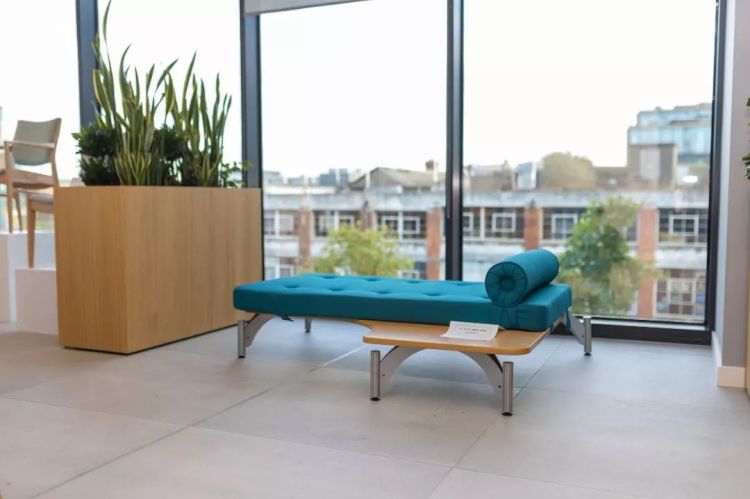
In the case of the products made from the Partners workstations, it was found that a cost saving of 35% could be achieved with material reuse, compared using 100% virgin materials. The project also delivered a app and database for Farrell Furniture, which will help them manage the inflow of returned materials and components for reuse in manufacturing.
The company are now looking at how best to increases material reuse in the company, which will reduce the company’s environmental impact, exposure to supply chain shortages and material costs.
Our Services on this Project
Farrells were the lead partner on this pilot project and I was contracted to
- upskill their project team on circular design principles
- mentor and support their staff
- offer project management advice
- review and advise on reports
- review and amend carbon calculations
- advise on best practice on sustainable and circular design as required
I’m happy to report that the we were able to deliver all of the key milestones for the project, and within budge.
If you would like support in progressing a sustainable or circular business idea or project, get in touch via our contact page.
Elaine
 Circular Design Institute